

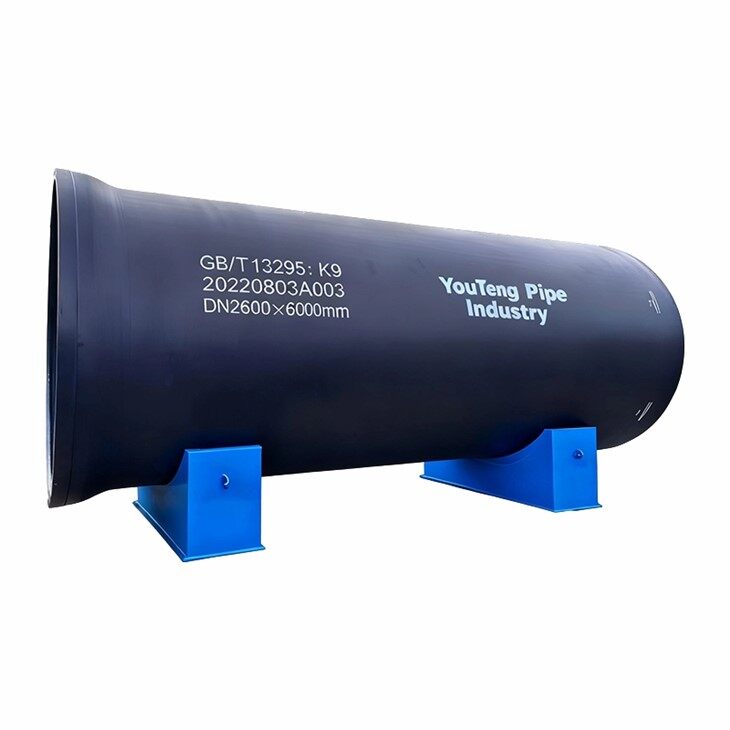
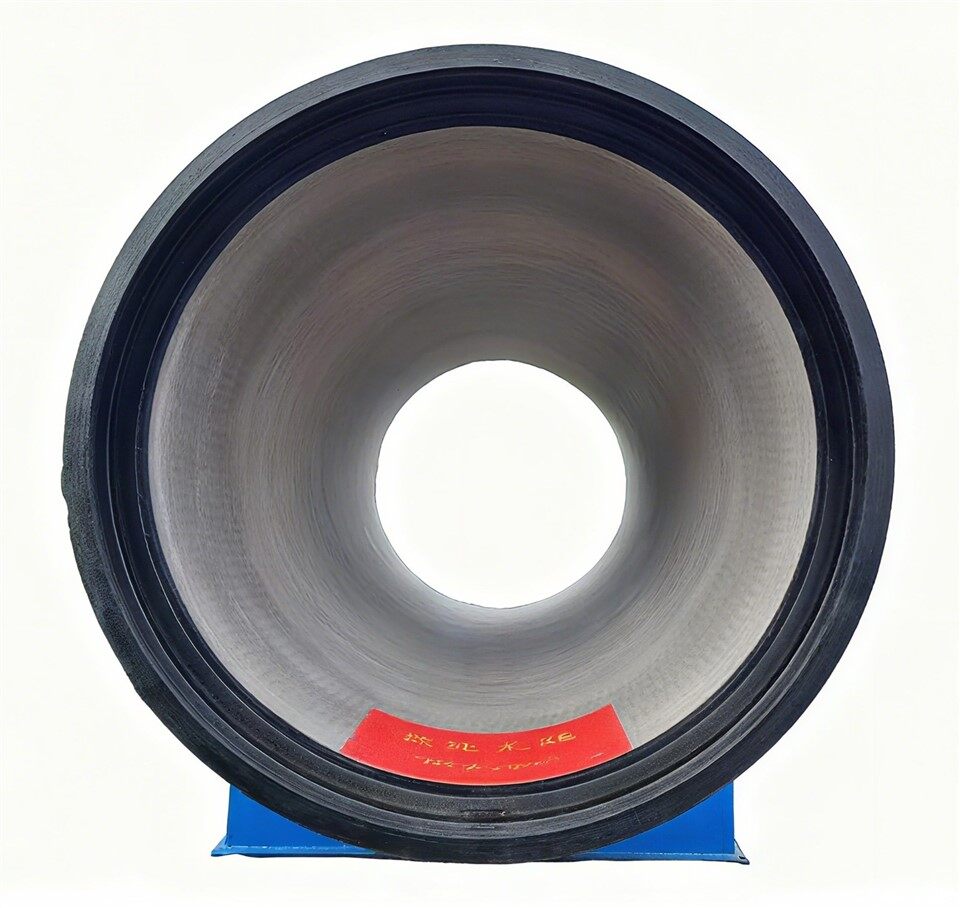


EN598 is not the same as EN545. Standard water pipes use EN545. Sewage pipes use EN598. The difference matters. EN598 pipes have higher corrosion resistance inside and out. They handle hydrogen sulfide and other sewage gases better. Do not use water pipes for sewage. Choose the right standard.
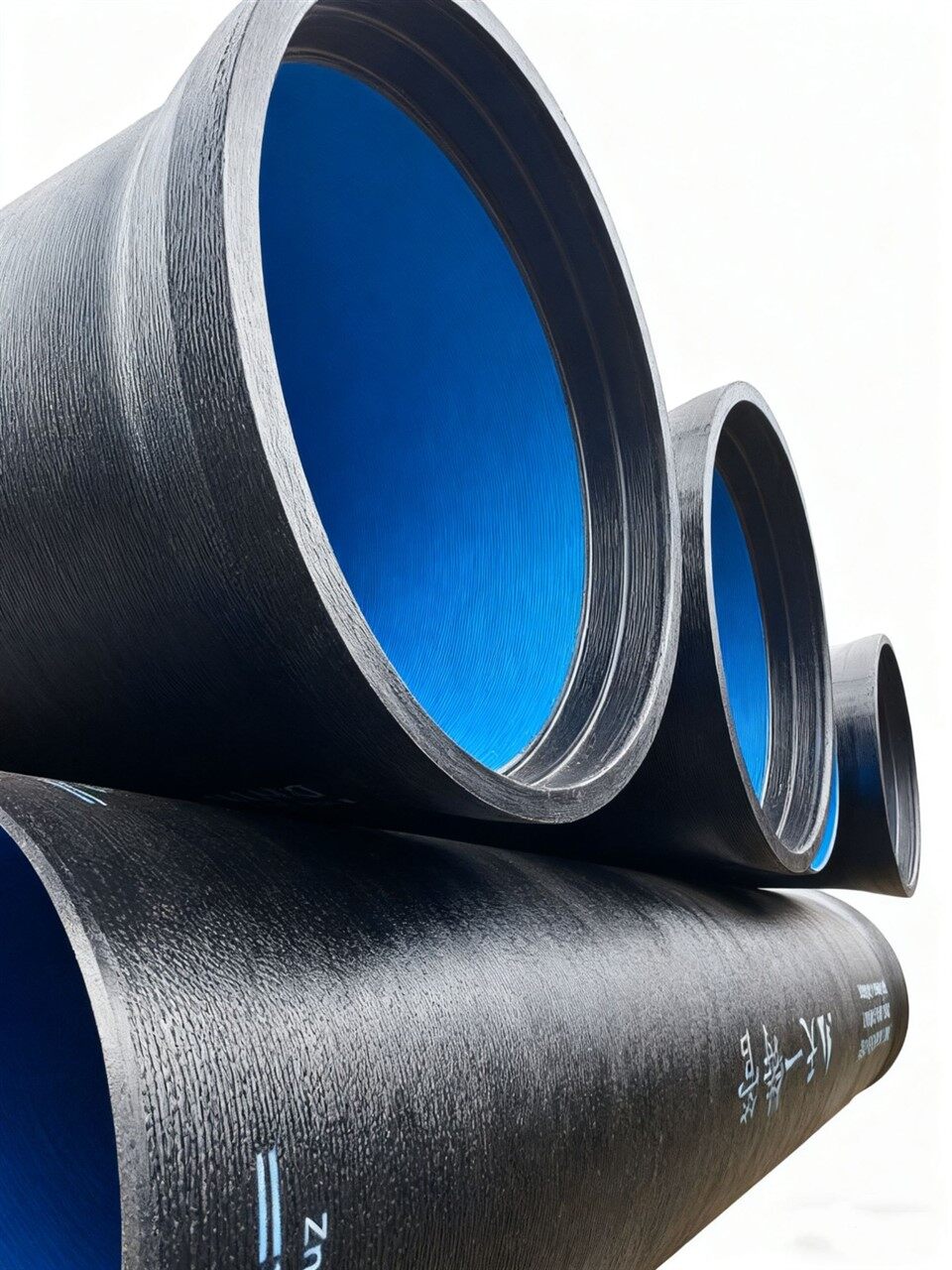
Sewage creates acidic conditions. Bacteria produce hydrogen sulfide. This gas turns into sulfuric acid. Acid eats ordinary pipes from the inside. Our EN598 pipes use high alumina cement lining. This lining resists acid attack. Your pipes last much longer.


We add 200 g/m² zinc coating under the bitumen layer. Zinc gives cathodic protection. Even if the bitumen gets scratched, zinc protects the iron. This is an EN598 requirement. Water pipes do not need this extra protection. Sewage pipes do.
Standard rubber gaskets swell or crack in sewage. We use special EPDM compound for EN598. This gasket resists oils, greases, and chemicals found in wastewater. The joint stays tight for decades.
EN598 pipes have thicker walls than water pipes of the same diameter. Sewage pipes face more external load from deep burial. They also face internal pressure from pump stations. The thicker wall gives you safety margin.
Buried sewage pipes settle over time. Ground moves. Our Tyton push-on joints allow angular deflection up to 5 degrees. The pipe does not break when the ground settles. Flexible joints also make installation faster.
We use the same centrifugal casting process as water pipes. Wall thickness is uniform around the entire pipe. No thin spots. No weak points. Consistent quality pipe after pipe.
We supply bends, tees, reducers, and blank flanges. All fittings meet EN598. All have the same high alumina lining and zinc coating. One supplier for everything saves you time.

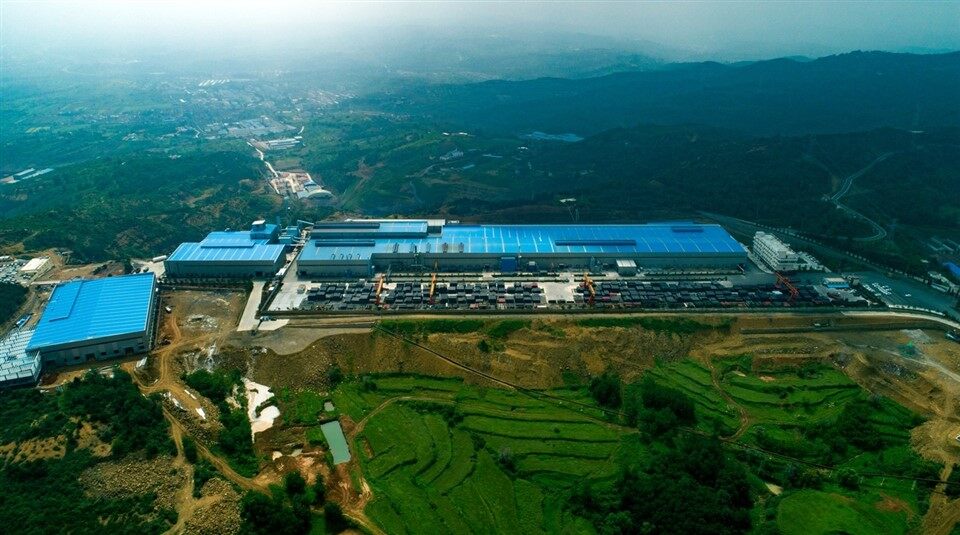
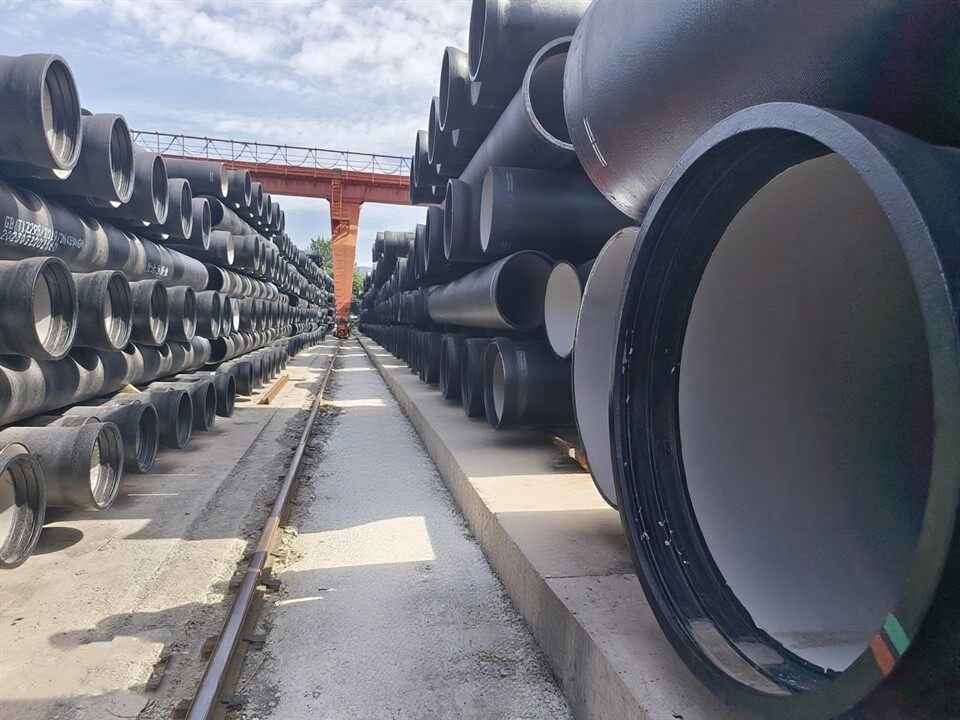
The company has upgraded from small-scale manual operations to semi-automatic mechanized production, equipped with 12 medium-frequency melting furnaces, 8 centrifugal casting machines, and 6 automatic anti-corrosion coating lines. These advanced devices not only ensure the stable quality of EN598 ductile iron pipe but also improve production efficiency, enabling the company to meet the large-scale supply needs of EN598 ductile iron pipe in different regions and projects. In addition, the production line is regularly maintained and calibrated to ensure that each process of EN598 ductile iron pipe production is accurately controlled, from raw material melting to finished product storage.
|
|
|
|
|
|
GB/T 13295-2013 |
ISO2531 |
BS EN545 |
|
|
GB/T17456.1 |
ISO8179-1 |
BS EN545 |
|
|
GB/T17457 |
ISO4179 |
BS EN598 |
|
|
GB/T9876-88 |
ISO4633 |
EN681-1 |

Gravity Sewer Mains – Large diameter pipes buried deep underground. EN598 strength handles soil load. Corrosion protection handles sewage gases.
Force Mains (Pumped Sewers) – Sewage pumped from lift stations. Higher pressure requires EN598 wall thickness. Smooth inner lining keeps flow efficient.
Wastewater Treatment Plants – Inside plant piping for sludge, effluent, and return activated sludge. EN598 resists treatment chemicals.
Industrial Effluent Lines – Factories discharge wastewater with chemicals. EN598 high alumina lining resists mild acids. For strong acids, add epoxy lining.
Stormwater Drainage – Rainwater can be corrosive in industrial areas. EN598 gives extra protection compared to standard drainage pipes.


